
FAQs
Have Questions About Men's Health Nutrition? Get Answers Here

What are essential nutrients for men?
Proper nutrition forms the foundation of men's health. Essential nutrients like zinc support testosterone production, magnesium aids muscle recovery, and omega-3 fatty acids promote heart and brain health. B vitamins boost energy metabolism and reduce fatigue. A well-rounded diet incorporating lean proteins, whole grains, vegetables, and healthy fats ensures your body receives these critical compounds. Many men overlook nutrient-dense foods, leading to deficiencies that impact energy, strength, and overall vitality.
Why is nutrition critical for men's wellness?
Men face unique nutritional challenges due to different metabolic rates and muscle composition compared to women. Proper nutrition directly influences energy levels, sexual performance, cardiovascular health, and muscle development. A balanced diet prevents chronic diseases like heart disease and diabetes. Nutritional deficiencies can lead to fatigue, mood disorders, and weakened immunity. Investing in quality nutrition now prevents health complications later and enhances longevity, strength, and mental clarity throughout life.
What dietary changes can improve energy and athletic performance?
Energy optimization requires strategic food choices and meal timing. Consume complex carbohydrates before workouts for sustained energy, pair protein with every meal to support muscle protein synthesis, and include colorful vegetables for antioxidants. Hydration plays a crucial role—many men mistake thirst for hunger. Limit processed foods and added sugars that cause energy crashes. Prioritize whole foods like oats, sweet potatoes, chicken, fish, and nuts. Pre-workout nutrition timing matters significantly; eat balanced meals two to three hours before exercise.
How can men optimize their cardiovascular health through diet?
Heart disease remains a leading health concern for men. A heart-healthy diet includes fatty fish rich in omega-3s, which reduce inflammation and support arterial function. Limit saturated fats and processed foods that elevate cholesterol levels. Incorporate fiber-rich foods like whole grains, legumes, and vegetables to manage blood pressure and weight. Reduce sodium intake to prevent hypertension. Include garlic, berries, and green tea for additional cardiovascular benefits. Regular physical activity combined with nutritious eating creates optimal heart protection and longevity.
What role does protein play in building muscle and strength?
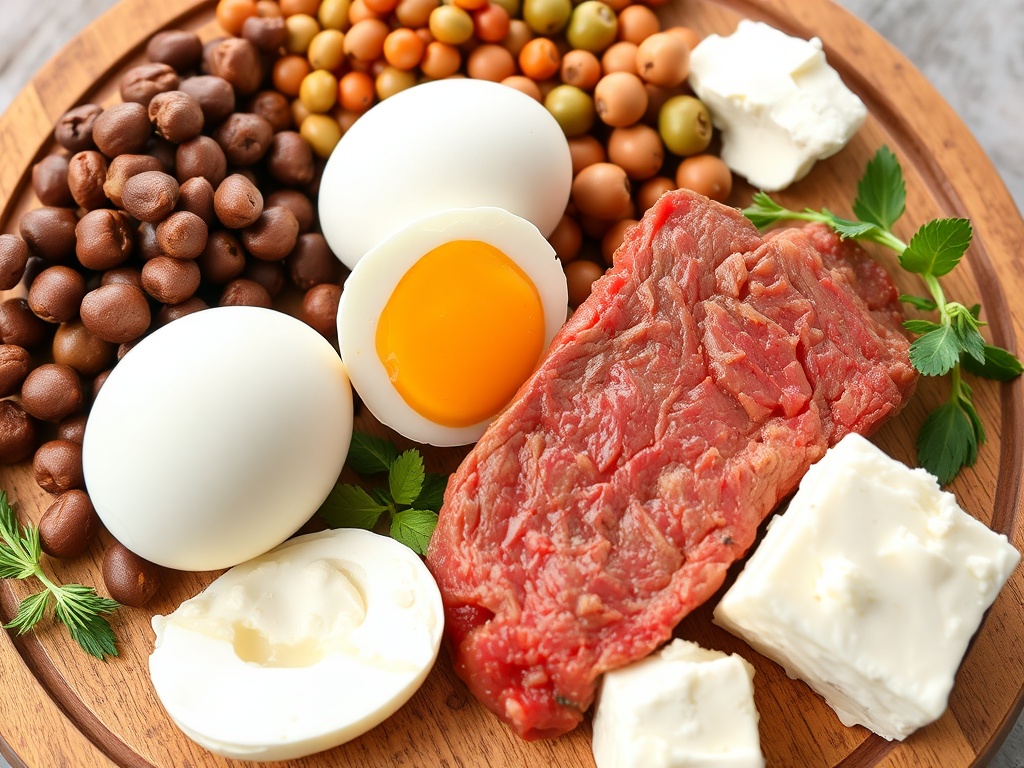
Protein is fundamental for muscle repair and growth, especially important for men pursuing strength training. Consume one gram of protein per pound of target body weight daily, distributed across meals to maximize muscle protein synthesis. Quality sources include chicken, beef, fish, eggs, Greek yogurt, and plant-based options like legumes and tofu. Post-workout nutrition is critical—consume protein within two hours of training to optimize recovery. Adequate protein also supports metabolism, reduces hunger, and maintains lean body mass as men age.
How does nutrition impact mental health and mood?
Brain health directly correlates with dietary choices. Omega-3 fatty acids, B vitamins, and magnesium support neurotransmitter production and mood regulation. Men with poor nutrition often experience depression, anxiety, and cognitive decline. Include dark leafy greens, fatty fish, nuts, seeds, and dark chocolate. Limit sugar and processed foods that cause inflammation and brain fog. Adequate hydration supports mental clarity and emotional stability. Nutritional deficiencies in vitamin D, B12, and folate commonly contribute to mood disorders—addressing these through diet improves psychological wellness.
Explore our comprehensive guide to men's nutritional health and wellness strategies

What supplements should men consider taking?
While whole foods provide optimal nutrition, certain supplements address common male deficiencies. Vitamin D supports testosterone and immune function—most men lack adequate levels. Magnesium improves sleep quality and muscle recovery. Multivitamins fill nutritional gaps, especially for busy professionals. Zinc and selenium support prostate health. Omega-3 supplements benefit those consuming insufficient fish. Creatine enhances muscle strength and cognitive function safely. Consult healthcare providers before starting supplements to ensure they complement your diet and health goals appropriately.
How should men adjust nutrition as they age?
Nutritional needs evolve with age. Young men prioritize muscle building and athletic performance. Middle-aged men should focus on heart health and weight management as metabolism slows. Older men require adequate protein to prevent muscle loss, calcium and vitamin D for bone health, and nutrients supporting cognitive function. All age groups benefit from anti-inflammatory foods reducing chronic disease risk. Gradually adjust portions and increase whole food consumption. Regular nutritional assessments help identify age-specific deficiencies before they impact health significantly.
What are practical nutrition tips for busy professional men?
Busy lifestyles challenge nutritional consistency. Meal prepping on weekends ensures healthy options available during hectic weeks. Choose nutrient-dense convenience foods like canned fish, greek yogurt, nuts, and frozen vegetables. Stay hydrated by keeping water accessible. Prioritize breakfast to stabilize energy and metabolism throughout the day. Avoid liquid calories from sugary drinks and excessive coffee. Pack healthy snacks like fruit, nuts, and protein bars for sustained energy. Quick meals needn't be unhealthy—grilled chicken with rice and vegetables takes minimal time but provides complete nutrition.
How does hydration specifically affect men's health?
Dehydration significantly impacts male athletic performance, mental clarity, and physical health. Most men consume insufficient water daily, affecting muscle function and recovery. Proper hydration supports testosterone production, cardiovascular efficiency, and metabolic function. During exercise, drink water regularly before, during, and after workouts. Monitor urine color—pale yellow indicates adequate hydration. Beyond water, electrolyte beverages support intense exercise lasting over an hour. Chronic dehydration contributes to fatigue, headaches, and reduced workout performance. Establishing consistent hydration habits forms the foundation of nutritional wellness.
What nutritional strategies prevent common male health issues?
Strategic nutrition prevents prostate problems, erectile dysfunction, and metabolic syndrome prevalent in men. Lycopene from tomatoes supports prostate health. Zinc supports sexual function and immune strength. Antioxidant-rich foods combat inflammation underlying many male health conditions. Maintain healthy weight through balanced nutrition reducing diabetes and heart disease risk. Limit alcohol consumption affecting liver health and testosterone. Regular physical activity combined with whole-food nutrition creates powerful protection against age-related decline. Preventive nutrition investment dramatically improves quality of life and independence long-term.
How important is digestive health for men?
Digestive health underlies all nutritional benefits because the gut absorbs nutrients powering every body function. Many men neglect fiber intake, causing digestive issues and nutrient malabsorption. Include fiber-rich foods like whole grains, beans, vegetables, and fruits daily. Probiotics from fermented foods support beneficial gut bacteria. Stay hydrated and exercise regularly to maintain digestive motility. Poor digestion can indicate food sensitivities or infections requiring professional assessment. Addressing gut health improves energy, mood, immune function, and overall wellness. Men often overlook digestive health as central to vitality.

Receive your personalized men's nutrition assessment
Our certified nutritionists offer evidence-based guidance